Credit : Projet Tumaini.
As part Tumaini project – Health and Rights of Women, Adolescents girls, and Children, the International Health Unit (USI) and the ICART Research and Training Center on Sexual Violence supported a five-day training session in Bukavu focused on infection prevention and control (IPC), hospital hygiene, and biomedical waste management.
This initiative aims to improve the quality of services offered to women, adolescent girls, and survivors of sexual violence, while strengthening the safety of patients and healthcare workers.
In a still still-sentive context in South Kivu, marked by significant pressure on the healthcare system, infection prevention and the safe management of medical waste are essential levers for reducing healthcare-associated infections and limiting health risks for communities. Building IPC capacity in maternal, neonatal, pediatric, and other services thus contributes to building more inclusive, accountable, and resilient health systems, better prepared to face health and environmental crises.
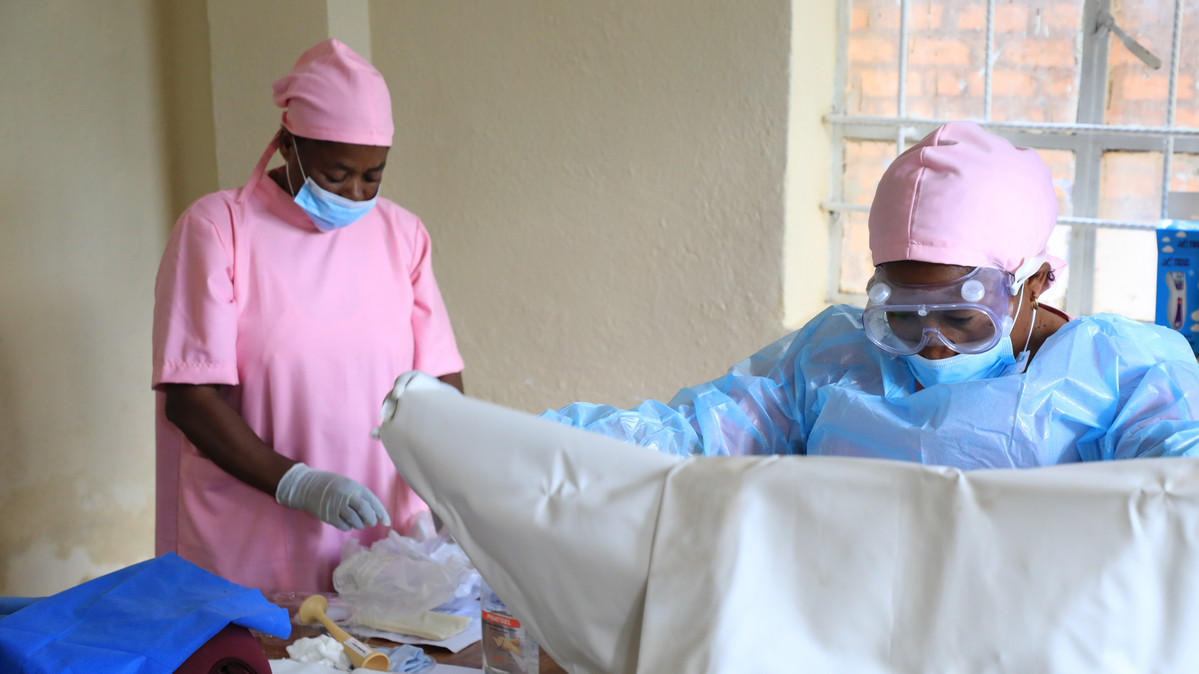
Held at Hôpital de référence Panzi, the training combined theoretical sessions with hands-on practice. Participants deepened their understanding of protocol application, the safe organization of care environments, equipment sterilization, and biomedical waste management. In total, 42 participants, including 28 women, from the health zones of Ibanda, Mwenga, and Kaziba, as well as from partner facilities, took part in the activity.
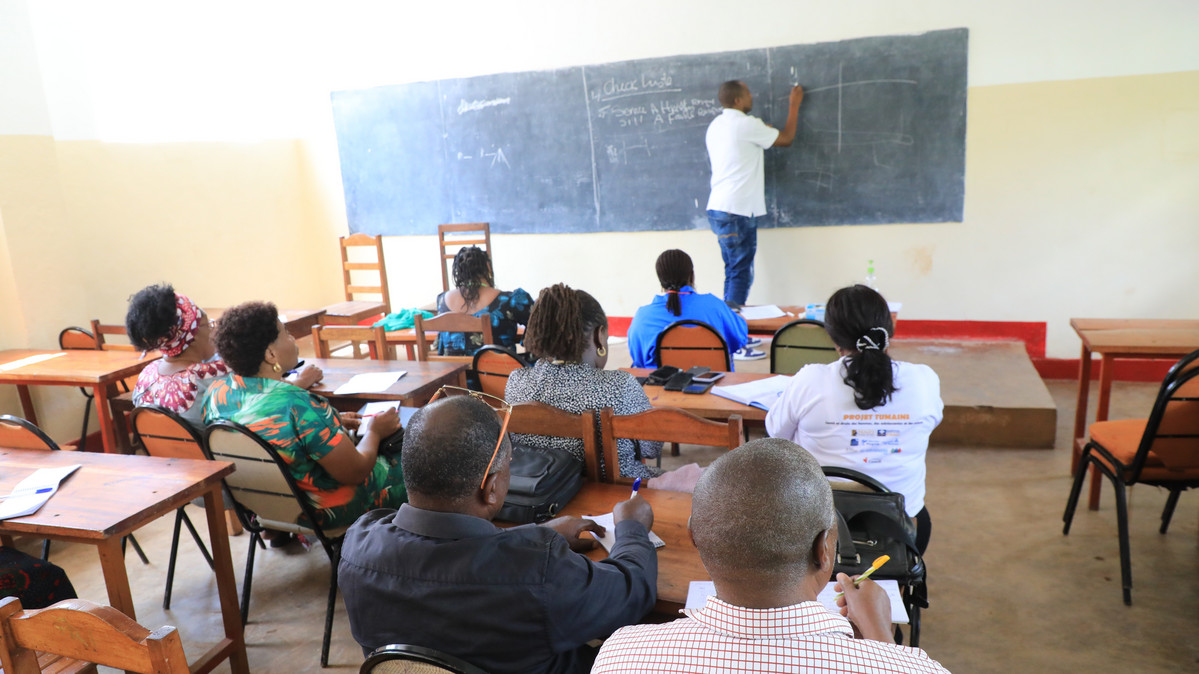
Committed to embedding its work within a sustainable perspective, the Tumaini project also incorporates reflection on the environmental footprint of healthcare facilities. The training therefore addressed the reduction of single-use waste, proper sorting, and the safe treatment of toxic products, with the goal of protecting both human health and the environment.
Post-training support will be put in place to help participants share the knowledge they have acquired with their teams. This approach aims to establish a cascading training dynamic and to durably embed IPC into the routine practices of healthcare facilities.
Lear more
The Tumaini Project, Health and Rights of Women, Adolescents girls, and Children, is implemented by the Université de Montréal’s International Health Unit and the Observatoire Hygeia in partnership with the Fondation Panzi, Avocats sans frontières Canada, and Global Strategies. It supports the activities of the Panzi Foundation and Hôpital de référence Panzi. The project will strengthen services for survivors of sexual and gender-based violence and build the Panzi Foundation capacity across four health zones in South Kivu, in the Democratic Republic of the Congo, and in three provinces of Burundi. The Tumaini Project receives financial support from Canada, provided through Affaires mondiales Canada.